
Choosing a Tractor for Smallholding Tasks
Start With the Land, Not the Machine
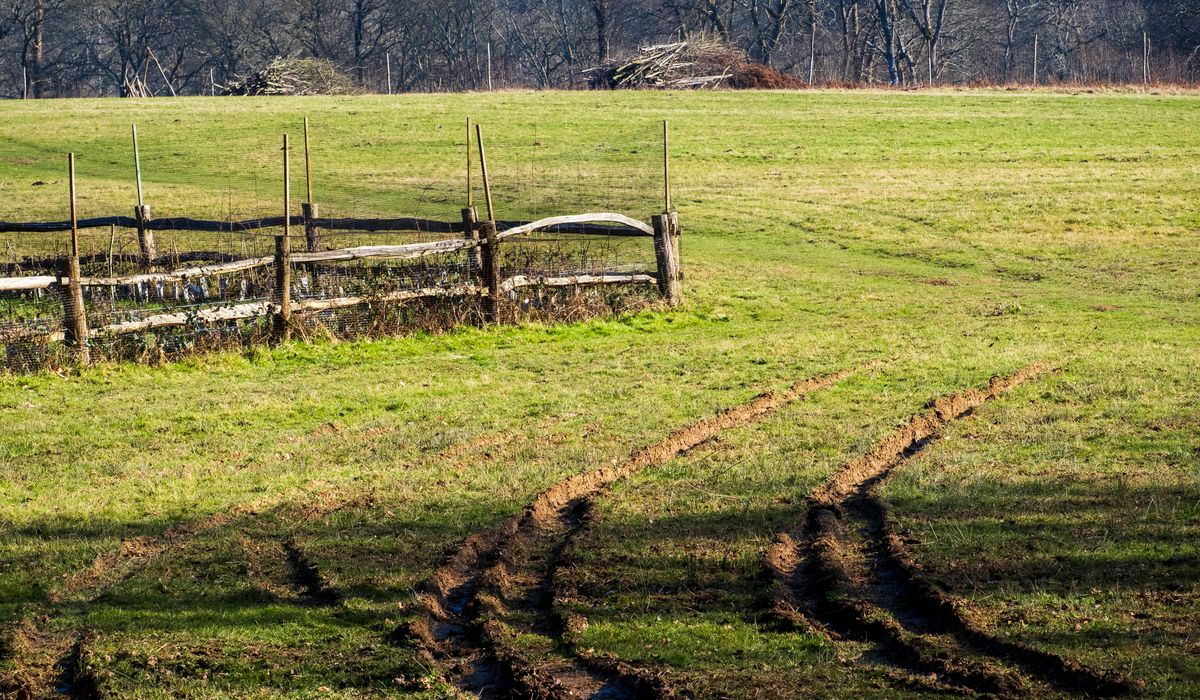
It is tempting to fall for a shiny compact tractor before you have walked your boundaries with a tape measure, but the land sets the specification. Before you look at a single advert, work out three things: how much ground you are actually managing, how steep it is, and how wide your narrowest gateway is.
As a rough guide, a holding of one to three acres of beds, orchards and paddocks is usually served well by a 16–25hp compact or even a well-chosen two-wheel tractor for bed work. Three to ten acres, with muck spreading, topping and trailer work, points towards 25–40hp. Ten to thirty acres with livestock wants 40–70hp, and anything larger with hay or silage in the mix needs 60hp and upwards with the weight to match.
Then measure the awkward bits. A tractor that is 1.7m wide across the tyres will not pass through a 1.4m gateway, and a roll bar that clears the cab by a hand's width will not fit under a low shed lintel. Slopes of more than about 15 degrees rule out two-wheel drive and most vintage machines without a roll bar. If your land is heavy clay that stays wet until April, weight and four-wheel drive matter far more than an extra ten horsepower.
How Much Horsepower You Really Need
Horsepower figures quoted in adverts are almost always engine horsepower, while implements care about power at the PTO. Expect driveline losses of around 15–20%, so a 30hp engine is delivering roughly 25hp at 540rpm.
- Topping and mowing: a 1.5m topper generally wants 25–30hp at the PTO; a flail mower of the same width wants 30–40hp.
- Rotavating: allow roughly 15hp per metre of working width in established ground.
- Ploughing: about 25hp per furrow, more in heavy soil.
- Trailer and transport work: less about power, more about weight, brakes and tyres.
- Log splitters and chipper: check hydraulic flow as well as PTO power.
It is far better to buy slightly more power than you think you need and run it gently than to buy at the limit and hear the engine labouring all afternoon. Labouring burns fuel, wears clutches and ruins the finish on any cultivation job.
Implements Should Drive the Decision
The three-point linkage is where the real compatibility question lies. Category 1 implements suit most compacts, Category 2 suits utility tractors, and mixing the two needs adapter bushes. Check lift capacity at the link ends rather than at the ball joints — a 1.2m topper can weigh 300kg, and a ballast box or rear weight frame may be needed to keep the front wheels down with a loader fitted.
Look for at least one double-acting spool valve for a tipping trailer, and a separate valve block if you plan to run a front loader. Quick-attach loader brackets and a self-levelling linkage are worth paying for if you will be moving muck, gravel or hay bales daily. Confirm the PTO turns at 540rpm and that the guard is intact — an unguarded shaft is the single most common cause of serious farm injury.
Compact, Utility or Classic?
Modern compacts are comfortable, easy to steer and simple to live with, but they are light, expensive and can struggle in wet going. Grey-import compacts from the 1980s and 90s are cheap and often tough, though parts can be awkward and some fasteners are metric oddities.
Classic 1950s and 1960s British-built tractors are cheap, beautifully simple and repairable with a basic tool kit, but most lack independent PTO, power steering and a roll bar, and drum brakes on a wet slope demand respect. They suit flat, well-drained ground and an owner who enjoys spanners.
For many smallholdings a used 40–60hp utility four-wheel drive is the sweet spot: enough grunt for a small baler or a 1.8m topper, wet brakes, decent parts supply and a turning circle you can live with.
Manoeuvrability and Daily Practicalities
- Turning circle and width: critical for polytunnels, orchards and tight yards.
- Tyres: aggressive agricultural treads cut up wet pasture; turf or industrial tyres are kinder for mowing and grazing land.
- Ballast: front weights for loader work, rear weights for cultivation. Neither should be optional.
- Storage: measure door heights and think about rust, battery drain and condensation.
- Servicing: filters, oils and a spare set of tyres can cost more than you expect over five years.
Always wear the seatbelt with a roll bar fitted, and never operate a PTO-driven implement without checking that every guard is in place. A tractor that is slightly too small is inconvenient; one that is unstable on your slopes is lethal.
Buying Well and Keeping It Running
Inspect a used machine cold, then run it until the hydraulics are hot. Look for blue smoke, oil weeps around the head and rear axle seals, clutch slip under load and sluggish three-point lift with a heavy implement attached. Check the hour meter against general condition — a tired machine with 3,000 hours can be worse than one with 6,000 well-serviced hours. Ask for the service history and check that the engine and chassis numbers match the paperwork.
Budget 10–20% of the purchase price for immediate repairs, tyres and a full service. Confirm parts availability before you buy anything unusual, and price up consumables such as filters and brake components. A modest, well-supported tractor that starts every morning will do more for your smallholding than a bargain that spends the summer under a tarpaulin.
tag: Tools & Kit

Sophie Bennett Author
Position a pond away from trees, use native plants and allow natural colonisation to support frogs and insects.
YOU MAY ALSO LIKE
Creating Wildlife Ponds on a Country Plot
Aug 28
10Choose mixed species, cut at the right time and protect young plants to create shelter and wildlife corridors.
read more
Planting and Maintaining a Native Hedgerow
Aug 24
10Harvest carefully, remove excess soil and store in cool dark conditions to keep carrots and beets fresh for months.
read moreSmallholding
-

ERRIC CATONA
Compare electric tape, permanent posts and temporary netting to move animals efficiently across small fields without constant repairs.
May 19, 2016 at 5.12 pm
Reply
ERRIC CATONA
Check permitted development rights, listed status and local policies before converting barns or building workshops on your land.
May 19, 2016 at 5.12 pm
Reply -
ERRIC CATONA
Balance greens and browns, turn regularly and keep moisture steady to produce rich compost within months for beds and borders.
May 19, 2016 at 5.12 pm
Reply
Land Management
Your email address will not be published.