
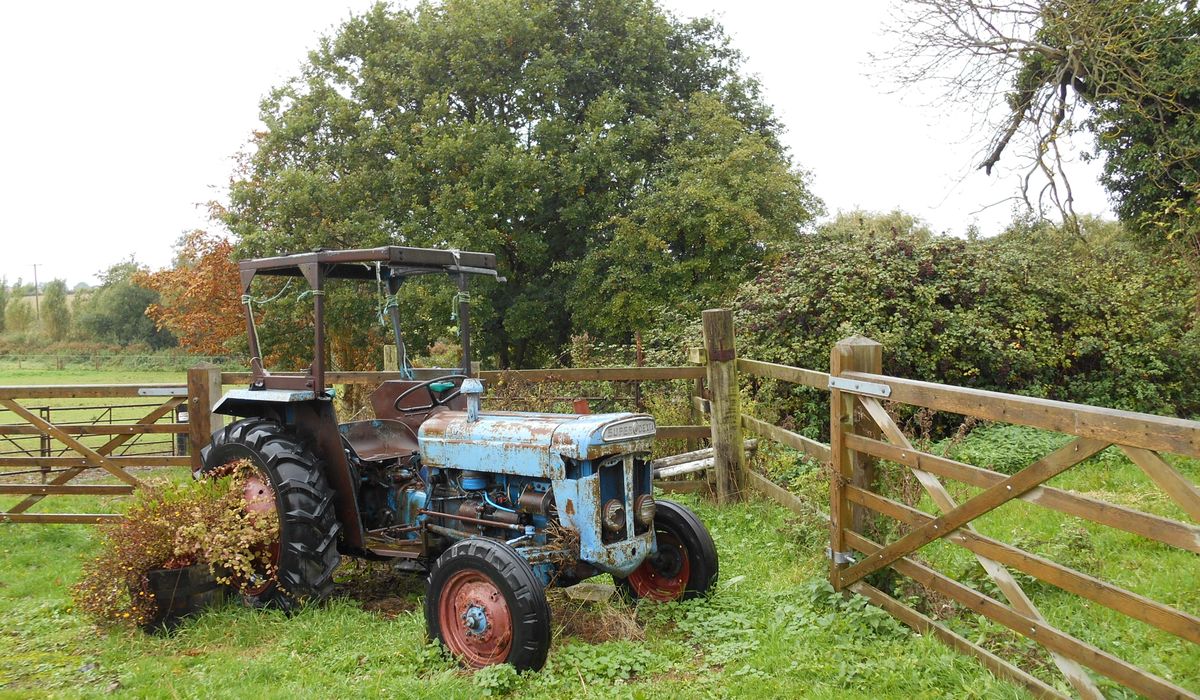
Understanding Planning Rules for Rural Buildings
Why rural planning feels like a different country
If you own a smallholding or a few acres of rural land, the urge to convert a tired barn into a workshop, a holiday let or a home for a family member is entirely understandable. But rural planning rules are not simply a looser version of the urban system. They are a distinct set of national policies, local plan designations and heritage protections that can catch out even experienced landowners. The good news is that with a bit of homework, you can usually find a route forward. The trick is to check before you build, not after.
Permitted development rights: the everyday allowance
Permitted development rights (PDR) are national planning permissions granted by Parliament. They allow certain minor works and changes of use without a full planning application. For agricultural holdings, the main rights are found in the General Permitted Development Order. They cover things like erecting or extending agricultural buildings, and changing the use of agricultural buildings to flexible commercial uses (often called Class R) or to dwellings (Class Q).
In broad terms, Class Q allows the conversion of agricultural buildings to a limited number of homes, subject to size limits and prior approval. Class R allows a change of use to a flexible commercial use, such as an office, workshop or light industrial space, again within size thresholds. There are also rights for forestry buildings and for temporary uses. These rights can be a real lifeline, but they come with conditions. The building must have been in agricultural use for a set period, and the proposed conversion must not exceed the floor space limits. You cannot simply knock down a barn and rebuild it bigger under PDR; the structure itself usually needs to be capable of conversion.
When permitted development rights are removed
The biggest trap is assuming PDR always applies. Local planning authorities can remove them with an Article 4 Direction. This is common in areas where unchecked development would harm the character of the countryside, such as within National Parks, Areas of Outstanding Natural Beauty, conservation areas or World Heritage Sites. If an Article 4 Direction is in place, you will need to submit a full planning application for work that would otherwise be permitted.
Even without an Article 4 Direction, PDR does not apply to listed buildings. It also does not override any condition on a previous planning permission that removes your rights. And if your land is within the curtilage of a listed building, or if the building itself is listed, the rules change completely. Always check the planning history of your holding and any local designations before you rely on PDR.
Listed buildings and conservation areas: extra layers of consent
If your barn or workshop is listed, you will need listed building consent for any works that affect its special architectural or historic interest. This is a separate consent from planning permission, and it is a criminal offence to carry out unauthorised works. Even minor changes, such as inserting new windows, removing internal walls or painting over historic timber, can require consent. The same applies to curtilage-listed structures, which are often overlooked.
In conservation areas, you have less freedom than you might think. Demolition of unlisted buildings usually requires planning permission, and external alterations that affect the character of the area may also need consent. Local planning authorities will expect you to use traditional materials and to respect the scale, siting and detailing of nearby buildings. For a workshop conversion, that might mean keeping the existing roof profile, using timber rather than uPVC, and avoiding large expanses of glazing.
Local plans, neighbourhood plans and prior approval
National PDR is only part of the picture. Your local plan sets out where development is acceptable and what design standards apply. Many rural authorities have policies that restrict new build in the open countryside, but they often support the reuse of redundant buildings. Neighbourhood plans can add further detail, and they carry real weight. If your parish has one, read it before you sketch any plans.
Where PDR does apply, you may still need prior approval from the council. This is a lighter process than a full application, but it is not automatic. The council will consider matters such as transport, noise, contamination and flooding. For Class Q, they will also look at the design and external appearance of the conversion. You cannot start work until prior approval is granted, and if it is refused, you may need a full planning application instead.
Practical steps before you commit
The most cost-effective thing you can do is talk to your local planning authority early. Many councils offer pre-application advice for a modest fee. Ask them to confirm whether your building has PDR, whether any Article 4 Direction or heritage designation applies, and what local policies are relevant. Keep a record of everything.
You should also check building regulations. Converting a barn to a dwelling or a workshop will almost always require building regulations approval for structure, insulation, fire safety and drainage. For agricultural buildings, there may be exemptions, but they are narrow. Finally, consider the practicalities: access, services, parking and the impact on your farming operation. A planning consultant or an architect with rural experience can save you time and money, especially for complex sites.
Rural planning is rarely a simple yes or no. But with a clear understanding of permitted development, heritage constraints and local policy, you can turn a daunting process into a manageable one. Start with the rules, then design your project to fit them, rather than the other way around.
tag: Rural Property

Emily Hartley Author
Balance greens and browns, turn regularly and keep moisture steady to produce rich compost within months for beds and borders.
YOU MAY ALSO LIKE
Making Compost from Garden and Kitchen Waste
Aug 9
10Provide secure housing, fresh water and dust baths while watching for mites, lice and signs of illness early on.
read more
Keeping Backyard Hens Healthy and Safe
Aug 3
10Thin trees carefully, leave deadwood habitat and coppice selected species to produce logs without harming wildlife over time.
read moreSmallholding
-

ERRIC CATONA
Start with a spade, fork, hoe and rake rather than buying every gadget before you know your soil.
May 19, 2016 at 5.12 pm
Reply
ERRIC CATONA
Identify perennial and annual weeds, mulch heavily and hoe young seedlings to reduce backbreaking work later in the season.
May 19, 2016 at 5.12 pm
Reply -
ERRIC CATONA
Lay hardcore, improve drainage and rotate entry points to stop poaching and keep animals cleaner during wet weather.
May 19, 2016 at 5.12 pm
Reply
Land Management
Your email address will not be published.