
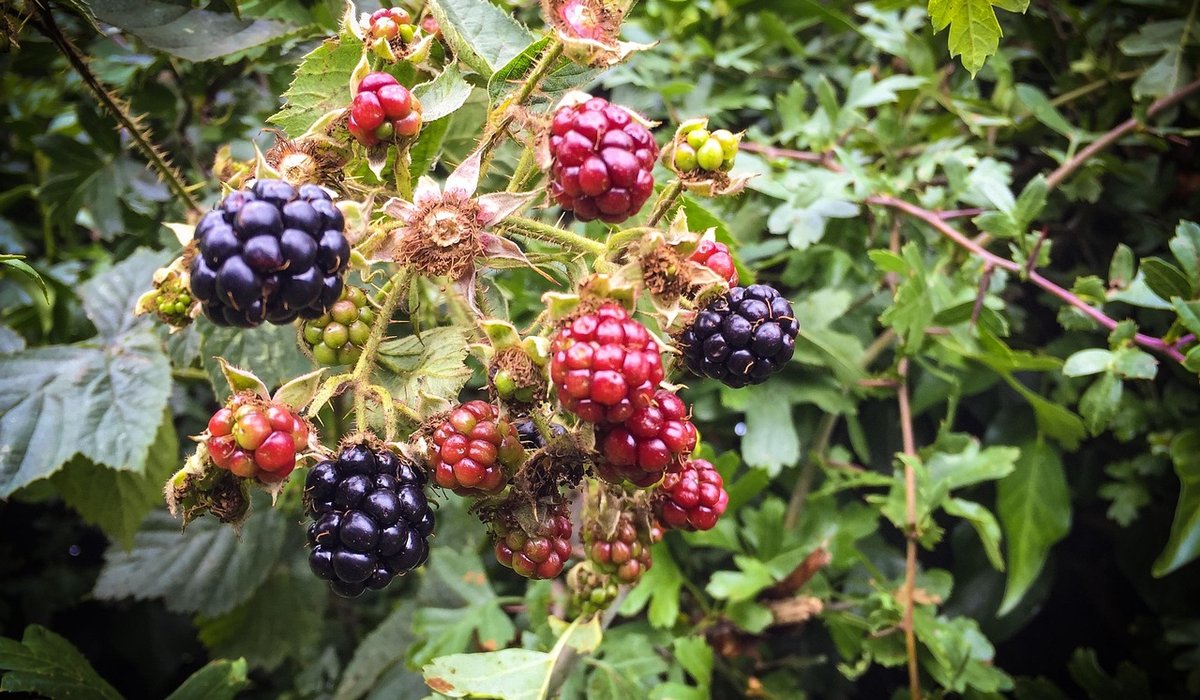
Managing Grassland for Sheep Without Overgrazing
Grass is the cheapest feed you will ever put in front of a sheep, and the most easily ruined. Get the grazing right and ewes hold condition, lambs grow on, and you can often drop a drench or two from the year's plan. Get it wrong and you end up with bare, wormy pasture, poached gateways and a flock that needs feeding all summer long. The good news is that the principles are simple, and they work on five acres as well as five hundred.
Why Continuous Grazing Fails
Sheep are selective grazers with a taste for the youngest, sweetest growth. Turned into the same field for weeks on end, they graze the same patches to the bone while leaving rank, stemmy clumps behind. That overgrazed stubble is exactly where worm larvae concentrate, particularly in the bottom few centimetres of the sward, so the animals most in need of clean feed are grazing the dirtiest part of the field.
Continuous grazing also weakens the plants themselves. Perennial ryegrass and timothy need a chance to regrow leaves and replenish root reserves after defoliation. Grazed repeatedly without a break, they thin out and give way to Yorkshire fog, creeping thistle, docks and bare ground. Rest is not a luxury for the sward — it is how the sward stays productive.
Setting Up a Simple Paddock Rotation
You do not need a plate meter or a computer program to start. You need more paddocks than you think and a willingness to move stock regularly. As a rule of thumb, aim for at least eight to ten paddocks from your available grazing, ideally with a permanent lane or gateway system that lets you move sheep without herding them through a third field.
- Start with a back fence. Never let sheep graze back over land they have just left. Strip grazing or back-fencing is what creates the rest period that does the work.
- Size paddocks to the mob, not the field. A temporary electric fence on pigtail posts lets you ration a fortnight's grass into three-day blocks.
- Move on condition, not the calendar. Paddocks should be entered at roughly 8–10 cm and left at 4–6 cm. Anything below 4 cm is being hammered and anything above 12 cm is too rank for lambs.
- Keep water and shade in reach. Sheep will overgraze around a trough they cannot leave. Position water so it sits in a different corner each time.
Reading the Sward Through the Year
Grass growth in the UK swings wildly. Expect perhaps 10–15 kg of dry matter per hectare per day in February, 60–80 kg in May, then a steep fall through a dry July and August. Your rotation speed has to follow that curve.
- Spring (March–May): growth outstrips demand. Move fast — every two to three days — and consider taking surplus paddocks out for silage or hay. Rest periods of 18–21 days are usually enough.
- Early summer: the peak has passed. Slow down to three to four day moves and stretch rests to 25–30 days.
- Late summer: if growth stalls, do not chase the sheep round the farm stripping paddocks bare. Feed a buffer or shut up a paddock and accept slower moves. Rests of 35–40 days help drought-stressed grass recover.
- Autumn and winter: growth slows to a crawl. Rests need to be 60 days or more, and on heavy clay it is often better to take sheep off the wettest ground entirely than to poach it. On/off grazing — a few hours a day on a dry paddock, then back to a sacrifice area — saves a lot of damage.
The Worm Connection
Rotational grazing is one of the most effective non-chemical tools against internal parasites, and it costs nothing but planning. Most worm larvae climb only a short way up the grass blade and depend on moisture to survive. A paddock rested for three weeks or more in warm, dry conditions will have far fewer infective larvae than one grazed continuously.
The detail that matters most is which paddock you graze first. Lambs are the most vulnerable group, so they should always go onto the longest-rested, cleanest grass, with ewes following behind to tidy up. If you keep cattle, run them through the same rotation — cattle and sheep share very few of the main worm species, so a cattle pass acts as a cleanup crew.
Rotation is not a substitute for monitoring. Take faecal egg counts through the season, watch for Nematodirus in spring lambs and barber's pole worm in warm, wet summers, and treat on evidence rather than habit. Well-fed sheep on well-managed grass cope with a worm burden that would knock a thin one flat.
Managing Surplus, Shortfall and Weeds
Every grazing year brings both a glut and a gap, and how you handle them decides how the farm looks next spring.
- Topping: after sheep leave a paddock, top to about 6 cm to even up rejected patches. Done before docks and thistles set seed, it slowly cleans up the sward.
- Conservation: shut up surplus spring grass for hay or silage rather than letting it go rank. It is winter feed, and it takes pressure off the rest of the rotation.
- Clover: aim for 20–30% white clover in the sward. It fixes nitrogen, lifts lamb growth rates, and fills the summer gap when ryegrass slows.
- Buffer feeding: in a genuine drought, feeding conserved forage is kinder than overgrazing. Grass stripped below 4 cm can take months to recover.
None of this has to be perfect in year one. Start by splitting your biggest field in two, keeping a back fence, and writing down when each paddock was entered and left. Within a season you will see which fields recover fastest and which need longer rests, and the rotation largely starts to design itself. Grass responds to attention faster than almost anything else on a smallholding — give it a rest and it will repay you.
tag: Livestock

James Whitaker Author
Plan troughs, pipework and storage to ensure clean water reaches every field in all weather conditions without constant repairs.
YOU MAY ALSO LIKE
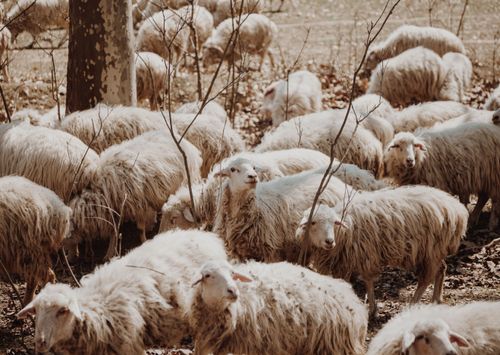
Building a Reliable Water Supply for Livestock
Sep 9
10Add organic matter, avoid compacting wet ground and use raised beds to make heavy clay workable over several seasons.
read more
Improving Clay Soil in a Wet Garden
Sep 3
10Match horsepower, implements and manoeuvrability to your land size before buying a compact or vintage machine for daily work.
read moreSmallholding
-

ERRIC CATONA
Position a pond away from trees, use native plants and allow natural colonisation to support frogs and insects.
May 19, 2016 at 5.12 pm
Reply
ERRIC CATONA
Choose mixed species, cut at the right time and protect young plants to create shelter and wildlife corridors.
May 19, 2016 at 5.12 pm
Reply -
ERRIC CATONA
Harvest carefully, remove excess soil and store in cool dark conditions to keep carrots and beets fresh for months.
May 19, 2016 at 5.12 pm
Reply
Land Management
Your email address will not be published.