
Keeping Backyard Hens Healthy and Safe
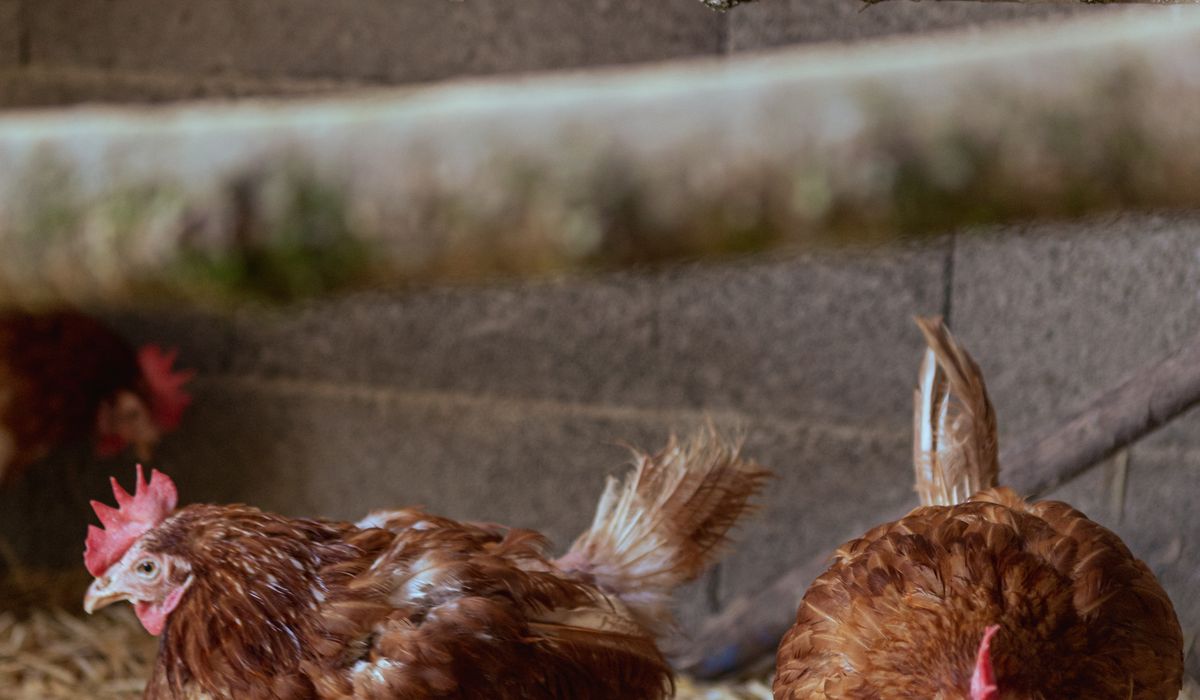
Few things are as rewarding on a smallholding as watching a flock of hens scratch across the paddock at first light. They turn scraps into eggs, work the muck heap and keep you company. But healthy hens don't happen by accident: a sound coop and a daily once-over will save you endless trouble.
Build housing that keeps predators out and air moving through
A fox will test every weakness of a coop, usually between midnight and four in the morning, and it only needs to succeed once. Use welded mesh rather than chicken wire — a fox can bite through the latter. Bury a 45cm apron of mesh outwards from the base of the run, or pin it flat and cover with turf, so nothing can dig underneath. Fit bolts with a spring or a carabiner, as foxes have been known to nudge simple latches open with their noses.
Inside, allow about 25cm of perch space per bird and one nest box per four or five hens. Ventilation should be generous but high up, above head height, so fresh air moves through without a draught across the perches. Damp is more dangerous than cold: a coop that streams with condensation in winter leaves birds with respiratory trouble and chilled combs.
Fresh water, clean feeders and a daily once-over
Water is the first thing to check each morning. Hens drink roughly 250–500ml a day depending on size and weather, and considerably more in a heatwave. Raise drinkers off the ground on a brick or stand so soil and droppings aren't kicked into them, and scrub them every few days — biofilm builds quickly in warm weather. In frost, rotate two drinkers so one is always thawed.
Feed from a hanging or treadle feeder to keep rats and wild birds out, and sweep up spilled pellets. Offer mixed grit and crushed oyster shell free-choice for digestion and shell quality. Then run your eyes over the flock:
- Are they up, active and keen to eat?
- Are combs red and upright, or pale, purple or flopped?
- Any sneezing, wheezing or discharge from eyes and nostrils?
- Are droppings firm and brown with a white cap, or watery, green or bloody?
Dust baths: cheap insurance against mites and lice
A dust bath is the cheapest preventive kit you can provide. Fill a shallow tray or old tyre with dry soil, sharp sand and a little wood ash, and site it under cover if the run gets muddy. Hens work it down between the feathers, smothering parasites and conditioning their plumage. Top it up and keep it dry.
Know your enemy. Red mite live in the coop rather than on the bird, hiding in cracks by day and feeding at night — look for grey or blood-red specks along perch ends and under nest box rims. Northern fowl mite and lice stay on the hen, with louse eggs cemented in grey clumps to feather shafts around the vent. Scaly leg mite raises crusty, lifted scales on legs and feet.
Treat red mite by stripping the coop, scrubbing with a poultry-safe detergent and working mite powder or spray into every crevice. Repeat every five to seven days for three weeks to break the cycle, as eggs hatch in as little as two days in summer. Dust birds for lice, paying attention under the wings and around the vent, and soften scaly leg crusts with petroleum jelly until the old scales lift.
Catching problems early
Hens hide illness well, so subtle changes matter. A bird sitting hunched with ruffled feathers, tail down and eyes half-closed is unwell. Weight loss shows as a sharp keel bone, so pick each hen up monthly and feel for it. A crop that stays full and squishy overnight suggests sour crop; a hard, distended crop can mean impaction. Laboured breathing, rattling or a swollen, weeping eye all warrant isolating the bird in a warm, quiet pen with food and water within reach.
A sudden drop in laying across the flock usually points to something environmental — a night-time fox, a red mite infestation, moulting or a change of feed. Keep a notebook of laying numbers, treatments and losses, and patterns will surface before problems become serious.
Worm once or twice a year with a licensed poultry wormer, and after any wet, muddy spell, discarding eggs for the stated withdrawal period. Read the label and never dose indiscriminately.
Managing mud, weather and the seasons
The run is where most welfare problems begin. Standing water and poached mud lead to dirty feathers, bumblefoot and constant trouble with scaly leg. Lay thick woodchip over the worst patches and top it up rather than digging it out, and rotate the flock onto fresh ground or split a large run in two and rest each half in turn.
In summer, provide shade — a hedge, lean-to or shade netting — as hens cope poorly above about 25°C. In winter, shelter them from wind but never seal the coop. Check drinkers twice daily in frost and use wide-based dishes rather than narrow-necked drinkers that freeze solid quickly.
Above all, learn what normal looks like for your birds. Half an hour watching the flock at feeding time and again at dusk will tell you more about their health than any amount of reading. Quiet, well-housed, parasite-free hens are remarkably hardy, and they repay you handsomely.
tag: Livestock

Sophie Bennett Author
Thin trees carefully, leave deadwood habitat and coppice selected species to produce logs without harming wildlife over time.
YOU MAY ALSO LIKE
Managing Woodland for Fuel and Biodiversity
Jul 28
10Start with a spade, fork, hoe and rake rather than buying every gadget before you know your soil.
read more
Choosing the Best Allotment Tools for Beginners
Jul 26
10Identify perennial and annual weeds, mulch heavily and hoe young seedlings to reduce backbreaking work later in the season.
read moreSmallholding
-

ERRIC CATONA
Lay hardcore, improve drainage and rotate entry points to stop poaching and keep animals cleaner during wet weather.
May 19, 2016 at 5.12 pm
Reply
ERRIC CATONA
Use large pots, acidic compost for blueberries and regular watering to harvest currants and strawberries from sunny patios.
May 19, 2016 at 5.12 pm
Reply -
ERRIC CATONA
Seal draughts, add safe heating and manage condensation to protect tools and work comfortably in cold months reliably.
May 19, 2016 at 5.12 pm
Reply
Land Management
Your email address will not be published.