
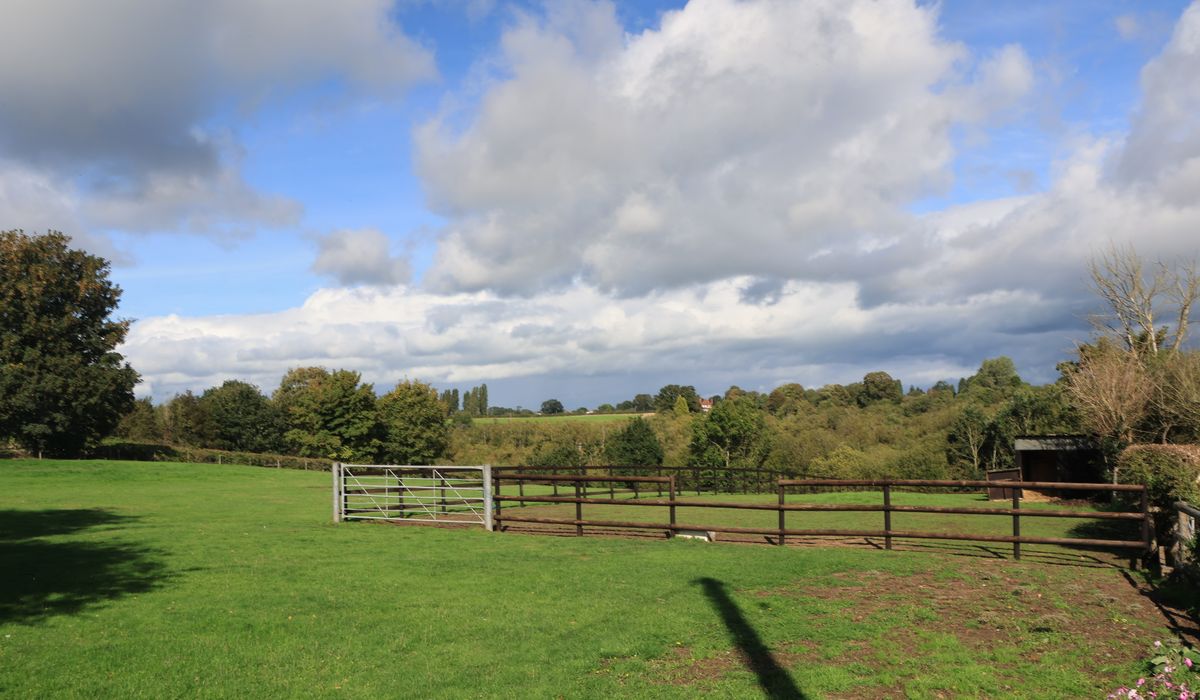
Fencing Options for Rotational Grazing Systems
Start with a Simple Paddock Plan
Rotational grazing works best when moving animals is quick and boring. If every move means mending sagging wire or chasing escaped ewes, you will postpone it and pasture suffers. Before buying fencing, sketch your land. Mark water troughs, gateways, shade, wet patches and awkward corners. Aim for paddocks of 0.1 to 0.4 hectare for sheep and a few cattle; smaller daily strips suit poultry. A permanent perimeter fence is non-negotiable because it contains livestock if the electric fails. Use temporary dividers inside that boundary. You then move lightweight internal fences only, and repairs stay rare.
Electric Tape: The Flexible Workhorse
Electric tape, usually 12mm or 20mm polytape, is visible, light and kind to pasture. It suits cattle and horses, and works for sheep once trained. Run two or three strands on reels with pigtail or fibreglass posts. For cattle, keep the top strand around 90cm high; for sheep, add a lower strand at 45cm. Keep tape tight but not guitar-string tight, because slight give saves posts in wind. Move it every one to three days in spring.
- Best for: cattle, horses, sheep and topping up a permanent boundary.
- Set-up: geared reel, pigtail posts every 4-6m, proper strainers at corners.
- Watch for: UV damage, knots and grass touching the bottom strand.
A 12-volt energiser with at least 1 joule output will cope with a few hundred metres of tape. Check with a voltmeter at the far end. Aim for 4,000-6,000 volts; below 2,500 volts, animals start testing it.
Permanent Posts and Wire: The Backbone of the Farm
Permanent fencing means wooden or recycled plastic posts with strained high-tensile wire or stock netting. It costs more and takes time, but it is the fence you stop thinking about. Use it on the perimeter, along roads and footpaths, and at awkward corners. For internal rotations, permanent posts can mark main divisions you plan to repeat each year.
- Strainers every 50-100m and at every corner, with struts and diagonal bracing.
- Wooden posts 1.8m long, driven 60-75cm into the ground; spacing 3-4m for netting, 6-8m for plain wire.
- Add an offset electric wire on top of stock netting to stop rubbing and climbing.
Only install permanent fence where you are confident. If unsure, put permanent posts at key anchor points and clip temporary tape or netting to them. That gives structure without concrete. Check tension after frost and before winter.
Temporary Netting: Fast Moves for Smaller Stock
Temporary netting, often sold in 50m rolls, is the quickest way to make a new paddock for sheep, lambs, pigs or poultry. It is usually plastic or wire mesh with thin posts every 3-5m. Electric netting needs a strong energiser because vegetation and poor earthing drain power quickly.
- Sheep netting: 90cm high, small mesh, double-spike posts. Good for ewes and lambs.
- Poultry netting: 60-110cm, smaller mesh, but not fox-proof; use electric strands top and bottom.
- Pig netting: heavier, lower strands, with a bottom wire that must touch the ground.
Set netting with the bottom wire flat on the soil, not buried in grass. Move it every one to four days. On wet ground, move the earth stake to the wettest spot and water it if needed. Temporary netting is brilliant for strip grazing and for letting poultry clean up after cattle, but it is not a permanent boundary. Always use it inside a secure fence.
Matching the Fence to the Job
Choose based on stock, duration and terrain.
- Cattle: two strands of electric tape on pigtail or permanent posts; permanent boundary in plain wire.
- Sheep: electric netting for moves, permanent stock netting plus one offset electric wire for boundaries.
- Pigs: permanent stock netting with an electric bottom wire, or heavy electric netting; never tape alone.
- Poultry: electric poultry netting inside a permanent fox fence, moved regularly.
- Slopes and hedges: permanent posts at anchors, electric tape between; temporary netting sags, so add extra posts.
On small fields, keep a central lane or track. It saves walking and lets you move animals without crossing every paddock. A 12mm tape on a geared reel is easy for one person; netting rolls are quicker with two. Carry a spare reel, a handful of pigtails, a fence tester and a few insulators.
A Routine That Keeps Repairs Down
Fencing fails for predictable reasons: grass contact, poor earthing, loose connections and animals that learn to push. Build a weekly check into feeding. Walk the fence line, look for fallen branches, shorts and slack tape. Test voltage at the furthest point, not just at the energiser.
- Keep grass grazed or strimmed under the bottom wire; 10cm of clearance makes a huge difference.
- Use two earth stakes at least 2m apart in damp soil; more for dry or sandy ground.
- Train animals in a small, well-fenced paddock before giving them the run of the place.
- Label reels and store netting out of the sun; UV makes plastic brittle.
- Repair immediately: a knot in tape is a weak point, so replace the section when you can.
Rotational grazing should make life easier, not turn you into a full-time fence mender. With permanent posts doing the heavy lifting, electric tape for flexible daily moves, and temporary netting for quick paddocks, you can shift animals in minutes and spend your time watching grass grow instead of chasing escapees.
tag: Livestock

Emily Hartley Author
Check permitted development rights, listed status and local policies before converting barns or building workshops on your land.
YOU MAY ALSO LIKE
Understanding Planning Rules for Rural Buildings
Aug 15
10Balance greens and browns, turn regularly and keep moisture steady to produce rich compost within months for beds and borders.
read more
Making Compost from Garden and Kitchen Waste
Aug 9
10Provide secure housing, fresh water and dust baths while watching for mites, lice and signs of illness early on.
read moreSmallholding
-

ERRIC CATONA
Thin trees carefully, leave deadwood habitat and coppice selected species to produce logs without harming wildlife over time.
May 19, 2016 at 5.12 pm
Reply
ERRIC CATONA
Start with a spade, fork, hoe and rake rather than buying every gadget before you know your soil.
May 19, 2016 at 5.12 pm
Reply -
ERRIC CATONA
Identify perennial and annual weeds, mulch heavily and hoe young seedlings to reduce backbreaking work later in the season.
May 19, 2016 at 5.12 pm
Reply
Land Management
Your email address will not be published.