
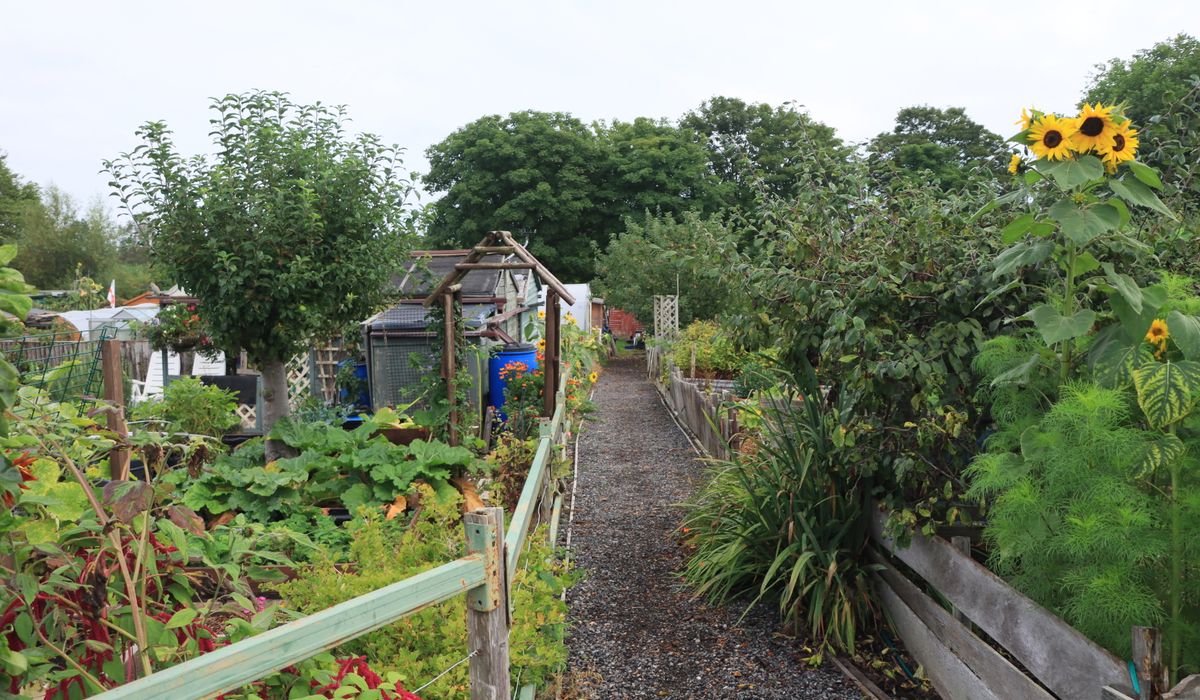
How to Choose the Right Smallholding for Your Family
Start With the Soil, Not the House
It is easy to fall for a farmhouse kitchen or a view across the valley, but the land will decide how you live on it. Before you arrange a second viewing, find out what you are actually standing on.
Take a spade and dig a few holes in different corners of the plot. Look at the topsoil, then at the subsoil beneath it. Heavy clay will hold water and warm up slowly in spring, which makes early grazing and vegetable growing hard work. A light sandy loam drains freely but leaches nutrients and dries out in a hot July. Chalk and limestone ground suits sheep and herbs; peat holds water and needs careful management. A simple jar test — half soil, half water, shaken and left to settle — will tell you roughly what proportion of sand, silt and clay you have.
Test the pH as well. Most pasture and vegetables want something between 6.0 and 7.0. Acid ground means liming, and that is a recurring cost, not a one-off.
- Aspect and slope: south-facing land warms earlier and dries faster. Steep slopes are hard on machinery, stock and your knees.
- Frost pockets: low ground beside a stream or at the foot of a hill will catch cold air. Fruit blossom and young plants will suffer.
- Winter access: visit after heavy rain. If the gateway is a bog in February, it will be a bog every February.
Talk to the neighbours. Farmers nearby will tell you more about drainage, flooding and local weather than any survey.
Access, Boundaries and Rights of Way
A smallholding lives or dies by its access. Walk the track in a normal car, then imagine a livestock trailer, a tractor and a delivery lorry. Check the width of the gateway, the surface, and whether there is anywhere to turn. Shared drives need a written maintenance agreement; a verbal understanding is worth nothing when the potholes appear.
Ask for the title plan and read it properly. Look for public footpaths, bridleways and byways crossing the land. They are usually an asset, but you need to know where they run and who is responsible for stiles and gates. Check for easements — a neighbour's right to cross, a water pipe, a power line, a drainage culvert. These can restrict what you build and where you plant.
Establish boundary responsibility too. Boundary hedges, ditches and fences need maintaining, and a boundary that is unclear on the plan is a dispute waiting to happen.
Water, Power and Waste
Water is the question that catches most buyers out. Mains water may stop at the lane, and a new connection is priced per metre of pipe plus a connection charge. Ask for the cost in writing before you commit.
Private supplies — a borehole, spring or well — need testing for bacteria and nitrates, and a reliable yield through a dry summer. If you plan to abstract from a stream or river for irrigation, check whether an abstraction licence is needed. In a drought year, an unlicensed pump is a legal problem, not just a practical one.
Electricity is similar. A new supply to a remote field can cost thousands, so get a quote early. Three-phase power is worth having if you intend to run a workshop, a milking setup or serious machinery. Off-grid solar and battery systems work well for outbuildings but need honest budgeting.
For drainage, check how the property deals with waste. Septic tanks and treatment plants must meet the general binding rules, and older systems may need replacing. Soakaways can fail in heavy clay. Find out where surface water goes when it rains hard.
Planning Rules That Shape What You Can Do
Planning is where smallholding dreams most often meet reality. Ask the local planning authority for the planning history of the property — not just the house, but the land and any buildings.
- Agricultural occupancy conditions: some dwellings can only be occupied by someone working in agriculture. Read the wording carefully.
- Permitted development rights: these may have been removed by a condition or an Article 4 direction, which limits what you can build or convert.
- Designations: green belt, conservation areas, national landscapes and listed buildings all add layers of control.
- Change of use: converting a barn to a dwelling or a workshop to a holiday let needs consent, and the rules on prior approval are specific about dates and structure.
Never rely on a seller's assurance that "it will be fine". Ask the planning department directly, in writing, and budget for professional advice if the answers are uncertain.
Buildings, Boundaries and Practical Work
Look hard at every structure. Roofs, gutters and concrete floors cost far more to replace than most buyers expect. Check for asbestos sheeting, damp, and whether the building actually keeps stock dry and hay safe.
Think about the working layout: hard standing for vehicles, a muck heap sited away from watercourses, secure storage for feed, and a yard that drains. Fencing and hedging are a long-term investment — walk the boundaries and count the posts you will need to replace in year one.
If you intend to keep livestock, you will need a holding number and to follow movement and disease rules, including testing requirements for cattle. These are manageable, but they are obligations, not paperwork to ignore.
A Family Walk-Through Before You Commit
Bring everyone. Children will notice the things adults filter out: the traffic on the lane, the walk to the bus stop, whether there is a safe place to play away from machinery and water.
- Check broadband and mobile signal — rural coverage varies enormously.
- Visit on a weekday and a weekend, in the morning and at dusk.
- Look at the school run, the nearest vet, the feed merchant and the doctors' surgery.
- Ask what the land has grown or grazed for the last five years.
- Read the searches, the survey and the title plan before you exchange.
A good smallholding is not the prettiest one. It is the one whose soil, access, water and permissions match the life you actually plan to lead. Take your time, ask blunt questions, and be willing to walk away. The right plot will still be worth waiting for.
tag: Rural Property

Emily Hartley Author
Choose rootstocks, spacing and varieties suited to your soil and climate to establish a reliable fruit harvest over time.
YOU MAY ALSO LIKE
Planning a Productive Orchard on a Small Plot
Sep 21
10Rotate paddocks, monitor sward height and rest fields to keep pasture healthy and reduce worm burdens naturally throughout the year.
read more
Managing Grassland for Sheep Without Overgrazing
Sep 15
10Plan troughs, pipework and storage to ensure clean water reaches every field in all weather conditions without constant repairs.
read moreSmallholding
-

ERRIC CATONA
Add organic matter, avoid compacting wet ground and use raised beds to make heavy clay workable over several seasons.
May 19, 2016 at 5.12 pm
Reply
ERRIC CATONA
Match horsepower, implements and manoeuvrability to your land size before buying a compact or vintage machine for daily work.
May 19, 2016 at 5.12 pm
Reply -
ERRIC CATONA
Position a pond away from trees, use native plants and allow natural colonisation to support frogs and insects.
May 19, 2016 at 5.12 pm
Reply
Land Management
Your email address will not be published.